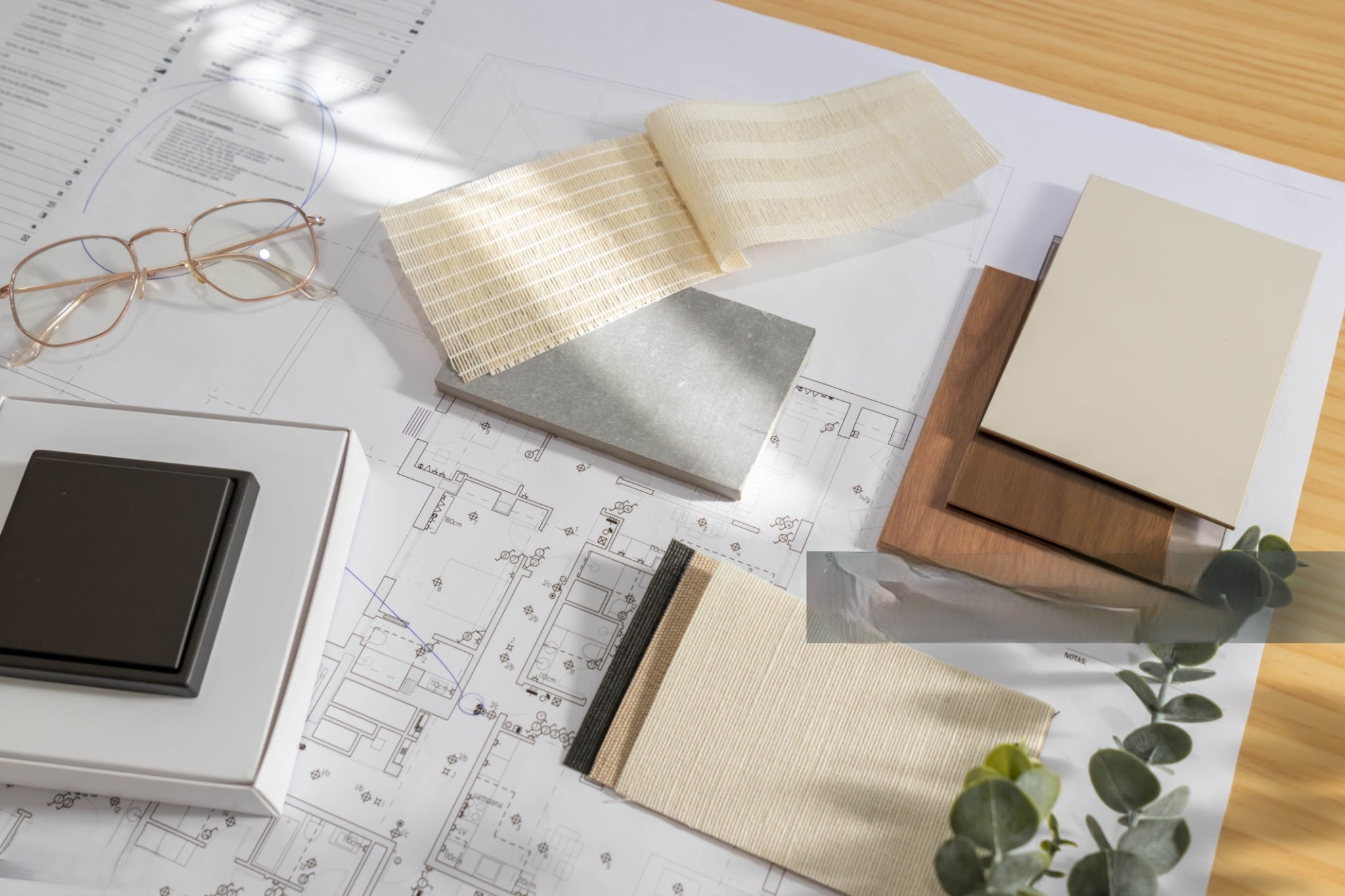
Some people believe that execution drawings are just technical details that can be skipped, but in reality they are one of the most important stages of a project. They are the language that translates the design from an idea into practical application, clearly showing each contractor and specialist what needs to be done. The more complete and clear the drawings are, the better and more accurate the final result will be.
What Are Execution Drawings?
Execution drawings are detailed plans that explain all project elements, such as dimensions, layouts, lighting locations, ceilings, walls, flooring, built-in furniture, and finishing works. They are the main reference during execution.
Why Are 3D Designs or Images Not Enough?
3D designs help visualize the final look, but they are not enough on their own for execution. Execution requires precise dimensions, clear details, and direct specifications for each element, and that is exactly what execution drawings provide.
Reducing Errors and Modifications
When the information is clear from the beginning, mistakes during execution are reduced, along with costly changes. Execution drawings also help coordinate between different trades in the project, such as electrical work, carpentry, paint, and finishing.
Controlling Quality and Budget
Execution drawings make it easier to understand exactly what will be built, which helps in estimating quantities, selecting materials, and reducing waste. They also give the client better visibility into what is actually being implemented.
Conclusion
Execution drawings are not a luxury, but a fundamental step in ensuring the success of the project. They are what turn an idea into clear instructions and protect the design from confusion or unplanned decisions during execution.